
10 Life-Changing Mindset Shifts to Escape the Poverty Trap and Think Like the Wealthy
If financial success were purely about knowledge, we’d all be rich. Everyone knows about SIPs, compounding, mutual funds, and budgeting. Yet, most of us remain stuck in the same financial cycle year after year. Why? Because money mastery isn’t just about knowing, it’s about thinking.
The real transformation happens when you shift your mindset from scarcity to abundance. From asking short-term questions to seeking long-term value. Let’s explore ten profound mindset shifts rooted in neuroscience and psychology that can completely change your relationship with money.
Ask This Instead: “How Much Value Can I Create Today?”
Most of us are hardwired to chase instant rewards: How much money can I make today? While this may feel productive, it’s actually reinforcing a dopamine loop similar to the one created by social media notifications. You feel good momentarily, but it leads to no lasting growth.
The wealthy mindset, on the other hand, focuses on value creation. It asks: How can I use my time, skill, and energy to solve a problem or deliver impact? This activates your prefrontal cortex, the part of the brain responsible for innovation and long-term planning.
This one shift alone can redirect your mental energy from chasing pennies to building empires.
Reframe This: From “Why Me?” to “What Am I Not Seeing?”
The scarcity mindset operates out of fear and blame: “Why don’t things work out for me?” This question limits you. It presumes that you’re a victim of circumstances and that your options are exhausted.
The wealth mindset asks instead: “What opportunities am I not seeing?”
This activates your Reticular Activating System (RAS), a part of your brain that filters relevant information. When you tell your brain to look for opportunities instead of problems, it starts scanning the world differently, and shows you doors you never knew existed.

Shift from “How Can I Get More Money?” to “What Can I Learn to Earn 10X?”
Poverty mindset is deeply transactional. It thinks in small, linear gains. But the wealthy think in leaps, not steps.
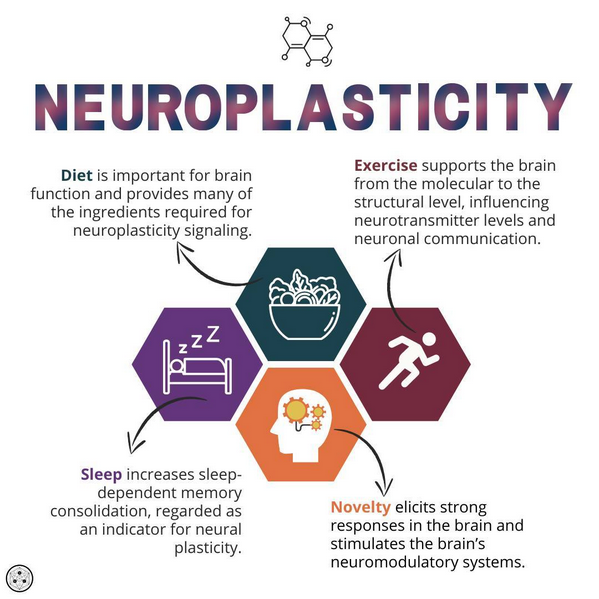
Ask yourself: “What skill or knowledge can I acquire that’ll grow my income by 10x?” This mindset doesn’t look for entitlement or handouts. It leans into neuroplasticity, the brain’s ability to rewire itself, and directs your motivation toward learning and growing rather than just earning.
In other words, the focus becomes capacity, not currency.
Don’t Ask “Who Can Help Me?” – Ask “Who Can I Help?”
This one’s profound.
Instead of constantly seeking assistance, the rich mindset looks outward: “Who can I help succeed today?”
Helping others activates oxytocin aka the Love Hormone, the hormone linked with trust and bonding. It rewires your brain to operate from a positive-sum mentality, there’s enough for everyone to win. The paradox? The more people you genuinely help, the more you grow.
Replace “How Do I Survive Today?” with “What Will My Future Self Thank Me For?”
People stuck in survival mode often only focus on the next 24 hours. This blocks long-term decisions and leads to impulsive financial behavior.
Instead, ask: “What action today will benefit my future self?”
This creates future self-continuity, a concept in neuroscience where you begin to see your future self as real and worth investing in. Whether it’s starting an SIP, learning a high-income skill, or quitting a toxic job, you make better decisions today for a better tomorrow.
Is Your Decision Based on Fear or Faith?
Before making a big move, starting a business, changing careers, or investing. ask yourself: “Am I doing this out of fear or faith?”
Fear narrows your options and triggers the brain’s survival mode. Faith opens possibilities and enables creativity.
When you act from a place of confidence and abundance, your prefrontal cortex kicks in and allows strategic, long-term decisions.
Circulation vs. Accumulation: Let Money Flow Through You
Poverty mindset says: “How can I keep what I have safe?”
Wealth mindset asks: “How do I make money flow through me and grow others in the process?”
Think of money like water, it must flow. Stagnant water becomes toxic. Circulating money means investing, donating, spending mindfully, and enabling growth for yourself and others.
And when it flows through you, it always returns, amplified.
“Is This All Life Has to Offer?” vs. “What Money Belief Is Holding Me Back?”
Many of us unknowingly carry toxic beliefs like “I’ll never be rich,” or “Money is evil.” These subconscious thoughts sabotage your efforts.
Instead, ask: “What limiting money beliefs do I need to let go of?”
Identifying and releasing these mental handcuffs is the first step toward true wealth. Money isn’t the root of all evil, ignorance is.
Stop Protecting – Start Growing: From “How Do I Not Lose This?” to “How Do I Multiply This?”
Fear of loss dominates the poor mindset. Our brains are loss averse, we hate losing more than we love winning.
But wealth creation requires risk with strategy. Ask instead: “How can I grow what I have intelligently?”
Whether it’s investing in index funds, starting a side hustle, or upskilling, the goal is growth, not mere protection.
Check this strategy to know How you can grow your Money 16x faster.
The Final Question: What Does My Relationship with Money Look Like?
This is the most emotionally revealing question of all.
If you had to explain your relationship with money to someone, would it sound fearful? Grateful? Shameful? Empowered?
Your financial future isn’t just about spreadsheets and savings, it’s also about emotional intelligence. The wealthy often see money as a tool, a friend, a partner. Not a burden.
Reflect honestly. Because that relationship defines everything else.
Books That Can Transform Your Money Mindset
If this article has inspired you to change how you think about wealth, then these books will supercharge your transformation. Each of them offers timeless wisdom, practical strategies, and mindset rewiring that aligns perfectly with the wealth psychology we’ve discussed.
1. The Psychology of Money by Morgan Housel
A modern classic that explores how our behavior, not knowledge – drives financial success. Housel beautifully illustrates how emotions, ego, and perspective shape wealth more than spreadsheets ever will.
Buy the Book on Amazon: The Psychology of Money
2. Think and Grow Rich by Napoleon Hill
This foundational book laid the groundwork for almost every mindset and success book that followed. While it’s nearly a century old, its principles around belief, persistence, and intention still ring true.
Buy the Book on Amazon: Think and Grow Rich by Napoleon Hill
3. Rich Dad Poor Dad by Robert Kiyosaki
A global bestseller that redefines how we view assets, liabilities, and financial education. Kiyosaki challenges conventional thinking and encourages financial literacy from a young age.
Buy the book on Amazon: Rich Dad Poor Dad: What the Rich Teach Their Kids About Money – That the Poor and Middle Class Do Not!
4. Atomic Habits by James Clear
Not a traditional finance book, but incredibly powerful. Clear explains how tiny mindset shifts and daily habits can lead to remarkable changes, including in how we handle money.
Get the book on Amazon: Atomic Habits by James Clear
Conclusion: Wealth is a Mind Game First
You don’t have to be born into privilege to think like the wealthy. You just need to start asking better questions, questions that challenge fear, stretch your vision, and ignite your brain’s most powerful parts.
Money responds to mindset. So before you chase your next rupee, upgrade your mental software.
FAQs
What’s the biggest difference between a rich and poor mindset?
A rich mindset focuses on creating value and thinking long-term. A poor mindset focuses on short-term survival and accumulation.
Can mindset really change your financial future?
Yes. Neuroscience shows that asking empowering questions rewires your brain and decisions, leading to better outcomes.
How can I adopt a wealthy mindset if I’m broke right now?
Start by shifting your daily questions. Even with zero money, you can think abundantly, learn, grow, and help others.
Is saving money wrong?
Not at all. But hoarding it out of fear can block growth. Use money wisely, let it circulate, invest it, and make it work for you.
Here is a guide to help you Build your ₹1 crore portfolio.
How does helping others lead to wealth?
Helping others releases oxytocin, strengthens networks, and builds trust, often leading to unexpected opportunities and returns.
What is the prefrontal cortex and why does it matter?
It’s the brain’s planning and innovation center. A wealthy mindset activates it, leading to strategic and creative decision-making.
A Note of Gratitude
This blog is inspired by one of the most insightful financial mindset talks I’ve come across. Hats off to Ankur Warikoo for sharing such deep, transformative ideas that go far beyond personal finance.
Suggested Further Reading: